Cucumber, Squash and Melon Seedlings: Start Late, Handle Gently
How to start cucumber, squash and melon seedlings indoors: sow only a few weeks ahead, use individual cells, avoid root disturbance, and transplant into warm soil.
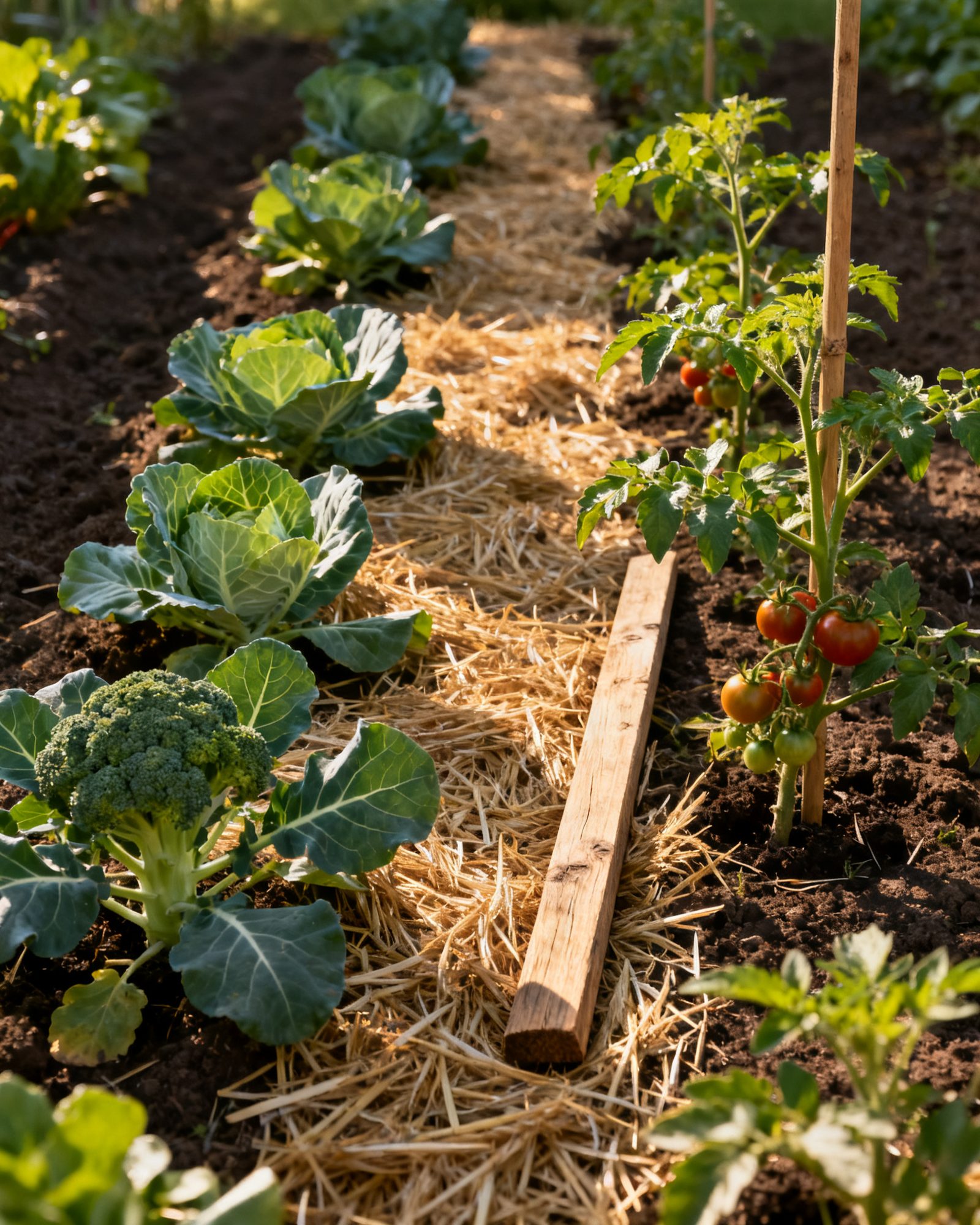
Cucumbers, squash and melons are usually direct sown in the garden, and for good reason: the seedlings grow fast, resent root disturbance, and need warm soil and warm nights. When you do start them indoors, the window is short. Maryland Extension puts the indoor period at 3 to 5 weeks for cucumber, squash and melons; Clemson Extension’s table gives the same 3 to 5 weeks. Squash can be ready to transplant about three weeks after sowing. Start earlier than that and you get tall, root-bound plants that sulk in the garden.
Why cucurbits are often direct sown
A cucumber seed in warm soil catches up quickly. A transplant that has sat too long in a cell, or that has had its roots torn, does not. The vines have sensitive root systems, and the usual advice is to disturb them as little as possible at planting. Direct sowing avoids the problem entirely, and for cucumbers, squash and melons it is the usual method in home gardens.
There are still reasons to raise them indoors: a short growing season, a cool spring, or a desire to get an early start on a small planting. The trade-off is that the transplant must go out young, in warm conditions, with its root ball intact. If you are deciding crop by crop, the comparison of direct sowing vs. transplants lays out which vegetables gain from an indoor start and which do not.
When to sow indoors
Sow cucumber, squash and melon seed indoors only a few weeks before the plants are due to go out. Maryland Extension gives 3 to 5 weeks before planting; Clemson gives 3 to 5 weeks from seeding to transplanting. Squash can be ready in about three weeks. The plants are not held in the cell for long, so there is no advantage to sowing earlier.
Maryland Extension notes that cucumber, squash, melons, corn and beans can be grown for 2 to 4 weeks as transplants without potting up: sow two or three seeds per cell and keep the strongest seedling. That is the whole schedule for these crops. They go from cell to garden, not from cell to a larger pot.
Two or three seeds per cell, then snip
Sow two or three seeds per cell and thin to the strongest plant. Snip the extras at the soil line rather than pulling them, because pulling disturbs the roots of the seedling you are keeping. One plant per cell is the goal; a cell with two vines competing will produce two weak plants.
Cell size and mix
Use a cell or pot in the range Maryland Extension gives for squash, cucumber and cabbage: 4 to 9 square inches per plant. A soilless seed-starting mix, not garden soil, is the right medium; it is lighter and less likely to carry damping-off organisms. Moisten the mix before filling, and fill the cell to within one inch of the top.
Warmth for germination and growth
A potting-mix temperature of 65° to 75°F suits most vegetable seeds, including these. A seedling heat mat speeds germination, and the top of a refrigerator is a warm spot. A clear cover holds moisture until sprouts appear; take it off as soon as they do.
After germination, Maryland Extension gives a night temperature of 55 to 60°F and a day temperature of 65 to 70°F for seedlings generally. Cucurbits are not a cold-tolerant group, and the hardening-off rules below set firmer limits for the garden.
Light and water while they are indoors
A windowsill is seldom enough. Keep fluorescent or LED fixtures 2 to 6 inches above the plants, on for 14 to 16 hours a day with an outlet timer (Maryland Extension). Clemson gives 16 to 18 hours and keeps tubes 2 to 4 inches above the seedlings, raising them as the plants grow.
Water when the top of the mix is nearly dry, then water until it drains. Saturated mix starves roots of oxygen. These seedlings are in the cell for only a few weeks, so the main risk is keeping them too wet, not too dry.
Preparing them for the garden
Hardening off gradually adapts indoor-grown plants to sun, wind and cold. Maryland Extension describes a 5- to 14-day period depending on the crop, beginning 1 to 2 weeks before planting out; Clemson says to start once plants are about three inches tall and continue for two to three weeks. For cucurbits, the night temperature limits matter more than the calendar.
Cucumbers and melons stop growing if hardened too severely, and they can stay out overnight only if the temperature will not fall below 50°F. Bring warm-season crops such as cucumber and melon in if the night will drop below 50°F. Do not put tender seedlings out on windy days or below 45°F. A cold frame is an excellent place to harden off. The step-by-step method is in how to harden off seedlings.
Planting out
Set cucurbit transplants out after the danger of frost, when the soil has warmed. A cloudy, calm day is best. Water the plants several hours before planting, dig a hole large enough for the root mass, firm the soil, and water in with a weak liquid fertilizer at label dilution. Shade and shelter new transplants for a few days.
Handle the root ball gently and do not break it apart. If the plant is in a biodegradable pot, remove the base and any rim above the soil line, because an exposed rim wicks water away from the roots. Set the plant at the same depth it grew; cucurbit stems do not root along the buried stem the way tomato stems do.
Spacing
Cucumber: 12 inches in the row with 48 to 72 inches between rows, or two to three plants per hill (Maryland Extension). Squash and melon spacing is not given in the same crop notes; follow the seed packet. Squeezing plants closer causes disease and lowers yield.
What goes wrong
Starting too early. A cucumber or squash sown more than a few weeks ahead of planting becomes tall and root-bound, and root-bound vines do poorly after transplanting. Maryland Extension names sowing too early as a common mistake across vegetable seedlings, and fast-growing vines show it quickly.
Disturbing the roots. Cucurbit roots do not recover well from tearing or pulling apart. Do not pot up these seedlings, do not pull thinned seedlings, and do not break the root ball at planting.
Cold soil and cold nights. These are warm-season plants. Planting into cold soil stalls them, and hardening too severely or setting them out below 50°F at night checks their growth. Wait for warm soil and settled nights.
Overwatering in the cell. A constantly wet mix invites damping-off, caused by water molds that need free water. Use a soilless mix, clean containers, and let the top of the mix dry slightly between waterings. Infected seedlings cannot be saved; remove them with their mix and discard.
Leggy seedlings. Too little light, or fixtures too far away, produces tall, stretched stems. Keep the lights close and raise them as the plants grow.
Fungus gnats. Tiny dark flies around pots are mainly a sign of overwatering. Let the mix dry and use yellow sticky traps to monitor. Products based on Bacillus thuringiensis var. israelensis are labeled for the larvae; follow the label.
A short comparison
| Crop | Indoor time before planting | Notes |
|---|---|---|
| Cucumber | 3 to 5 weeks (Maryland and Clemson) | Disturb roots as little as possible; 12 inches in the row, 48 to 72 inches between rows |
| Squash | 3 to 5 weeks; can be ready about 3 weeks after sowing | Grow 2 to 4 weeks without potting up; two or three seeds per cell |
| Melon | 3 to 5 weeks | Same warm-night limits as cucumber; do not harden too severely |
For a fuller look at raising transplants of another warm-season crop, see growing tomato seedlings from seed to garden. Light and watering carry over; potting up and root handling do not.
Common questions
Can I start cucumbers indoors?
Yes, but start them only 3 to 5 weeks before planting out. Sow two or three seeds per cell, thin to the strongest, and transplant young without disturbing the roots. Many gardeners direct sow because cucumbers catch up quickly in warm soil.
How long before planting out should I start squash seeds?
About 3 to 5 weeks. Squash can be ready to transplant roughly three weeks after sowing. Maryland Extension notes that squash can be grown for 2 to 4 weeks as transplants without potting up.
Why are my cucumber seedlings dying after transplanting?
Likely causes are cold soil, cold nights, or root disturbance. Cucurbits resent torn roots and stall in soil that has not warmed. Set them out after frost, when nights stay above 50°F, and keep the root ball intact.
Should I direct sow cucumbers or transplant them?
Direct sowing is the usual method for cucumbers, squash and melons. Transplanting works if you start them only a few weeks ahead and handle the roots gently. A short growing season or a cool spring is the main reason to raise them indoors.
How many seeds per cell for melons?
Two or three seeds per cell, then keep the strongest seedling and snip the others at the soil line. Use a cell of 4 to 9 square inches, as Maryland Extension suggests for squash and cucumber.
Read next
Broccoli, Cabbage and Cauliflower Seedlings
How to raise broccoli, cabbage and cauliflower seedlings indoors, time spring and fall plantings, harden them off, and avoid bolting, buttoning and cold damage.
Starting Herb Seedlings: Basil, Parsley and More
How to start basil, parsley and other herb seedlings indoors: sowing depth, light, watering, pinching, hardening off, spacing, and the mistakes that set them back.
Starting Lettuce and Leafy Green Seeds Indoors
Starting lettuce, kale and other greens indoors: surface sowing, cool temperatures, cell size, hardening off and planting out in spring and fall.