Protecting Transplants from Frost and Cold Nights
How to protect newly planted transplants from late frost and cold nights: row cover, cloches, cold frames, soil warming, and the mistakes that set plants back.
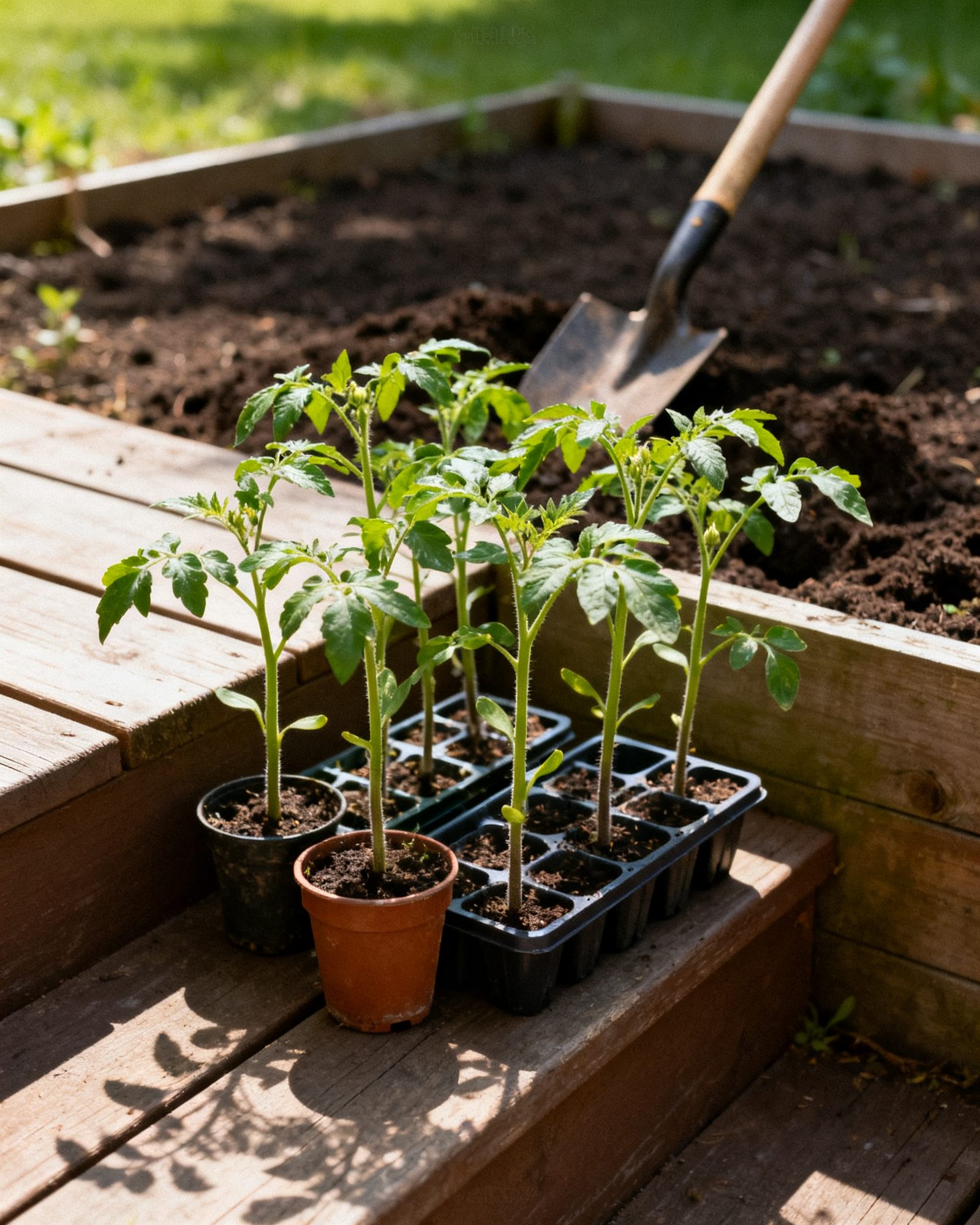
A late frost after planting is a common way a good set of transplants is lost. The fix is not complicated: know what the words mean, know which crops can take cold, and have a cover ready before the forecast turns. Frost protection works best when it is planned into the planting date rather than improvised at dusk.
What frost, freeze and hard freeze actually mean
The National Centers for Environmental Information (NCEI) uses 36°F as the threshold for frost, because frost can form above freezing when the air is humid. A freeze is air temperature below 32°F. A hard freeze is below 28°F. Those three numbers matter because a transplant that shrugs off a light frost can be killed by a hard freeze, and because the forecast you hear may be for the airport rather than your garden.
Frost dates are past averages, not forecasts. The date usually quoted as the average last frost is the 50% date for 32°F, which means that in one year out of two the last freeze comes later. A conservative gardener plants tender crops by the 10% date, when only one year in 10 has a later freeze. For how those probabilities are built and where to find them, see last frost date: how to find it and how much to trust it.
Which transplants tolerate cold and which do not
Crops differ enough that one blanket rule will fail you. The table below summarizes the cold limits University of Maryland Extension gives for seedlings being hardened off and set out; once tender crops are in the ground, they are covered rather than brought in.
| Crop group | Cold tolerance | What to do when cold is forecast |
|---|---|---|
| Broccoli, cabbage, cauliflower | Hardy; broccoli withstands heavy frost | Can stay out in frost; cauliflower hardened too severely can form thumb-sized heads and stop |
| Lettuce and other cool-season greens | Cool-season | Bring in if a freeze is forecast |
| Tomato, pepper, eggplant | Very tender | Bring in or cover if the night will drop below 50°F |
| Cucumber, melon | Very tender | Stay out overnight only if it will not fall below 50°F; cucumbers and melons stop growing if hardened too severely |
| Basil | Not tolerant of chilly temperatures | Set out only after all danger of frost |
Two practical consequences follow. First, warm-season transplants set out after all danger of frost into soil above 60°F need less hardening off, because the weather they meet is already kind. Second, hardening off matters most for cabbage, broccoli and cauliflower, which go into the garden earlier and meet rougher weather. The full sequence is in how to harden off seedlings before planting out.
After proper hardening, tomato plants can usually tolerate a light, unexpected frost with little damage. Unhardened plants from a warm windowsill are far more easily hurt.
Read the forecast before you set plants out
Check the forecast the day before planting and again on planting day. The number to watch is the overnight low, not the daytime high. A calm, cloudy day is the best planting day because it spares new transplants the immediate stress of sun and wind.
Keep in mind that your garden may run colder than the nearest weather station. A frost pocket at the bottom of a slope, a low spot behind a fence and an open field all behave differently from a town site. The local Cooperative Extension office can tell you what growers nearby use for dates.
If a late frost is forecast after planting, act during the day, not after dark. Water the plants several hours before if the soil is dry, because moist soil holds more heat than dry soil. Then set your cover in place before evening so it is anchored and ready.
Row cover, cloches and cold frames
Row cover
Floating row cover is the workhorse for a late frost after planting. It can be laid over a whole block of transplants and held down at the edges. It also shades and shelters new transplants for a few days after planting, which Maryland Extension recommends. The one rule that matters: keep the fabric from resting on the leaves. Use hoops, baskets or pots underneath so the cover forms a tent rather than a cloth pressed against the foliage.
Cloches and individual covers
For a few plants, an overturned basket or pot over each transplant overnight is enough. Remove it in the morning. These covers are for a night or two, not for days on end, because they cut light and trap heat.
Cold frames
A cold frame is an excellent place to harden off seedlings and a good emergency shelter for plants still in flats. It gives shelter from wind and some protection from cold while letting light in. Vent it during the day so plants do not cook when the sun comes out.
Warm the soil before you plant
Cold soil sets plants back even without a frost. Pepper plants set out before the soil reaches 65°F “just sit there,” according to Maryland Extension, and slow early growth usually means cold conditions or overgrown, stressed transplants. Tomato plants set into cold soil sulk for the same reason.
Black plastic laid 2 to 3 weeks before planting warms the soil under it. That is a simple way to buy back some season without pushing the planting date into frost risk. The full planting sequence, including hole depth and watering in, is in transplanting seedlings into the garden.
What to do when a late frost is forecast
- Check the overnight low and the wind. Do not put tender seedlings out on windy days or below 45°F.
- Water during the day if the soil is dry.
- Cover tender crops before dark. Tent the cover over the plants; do not let plastic touch the leaves.
- Bring cool-season crops such as lettuce and cabbage in if a freeze is forecast. Bring warm-season crops such as tomato and pepper in if the night will drop below 50°F.
- Uncover in the morning once the temperature has risen, before the sun gets strong.
What goes wrong
Plastic touching the leaves. Plastic sheeting draped directly on foliage conducts cold to the leaf and can freeze it. It also traps condensation. Use fabric row cover, or build a frame so plastic stays off the plants.
Uncovering too late on a hot day. A closed cold frame or a covered row on a sunny morning can overheat quickly. Uncover once the air has warmed, and vent cold frames during the day.
Planting by the average date and ignoring the forecast. In one year out of two the last freeze comes after the 50% frost date. Check the forecast before setting out tender plants.
Setting out plants that were never hardened. A windowsill seedling has thin leaves and soft stems. Hardening off (Maryland Extension: a 5- to 14-day period, beginning 1 to 2 weeks before planting out; Clemson: two to three weeks) leaves plants far better able to ride out a cold night under cover.
Covering wet plants and leaving them covered for days. Wet foliage under cover invites disease. Uncover in the morning and let the leaves dry.
Assuming a hardy crop is indestructible. Broccoli tolerates heavy frost, but temperatures below 45°F can stop heading or cause bolting. Cauliflower hardened too severely can form thumb-sized heads and stop growing.
Forgetting the wind. A calm night under cover can still be followed by a windy morning that shreds tender leaves. Shelter new transplants for a few days with baskets, pots or row cover.
A short checklist for cold nights
- Know your crop’s limit: while hardening off, 50°F nights for tomato, pepper, cucumber and melon; broccoli withstands heavy frost.
- Have row cover, hoops and a few baskets on hand before planting day.
- Watch the overnight low, not the daytime high.
- Water during the day, cover before dark, uncover in the morning.
- Keep plastic off the leaves.
- Check the forecast again the next afternoon; one cold night can be followed by another.
Protection is mostly a matter of timing and a little fabric. Plants that go into warm soil, hardened and covered for the cold nights, come through a late frost with little damage.
Common questions
How cold is too cold for tomato plants?
Tomato is a very tender crop. While hardening off, bring plants in if the night will drop below 50°F, and set them out only after all danger of frost. After proper hardening, tomato plants can usually tolerate a light, unexpected frost with little damage; unhardened plants are far more easily hurt.
Can I use plastic sheeting to protect plants from frost?
Plastic can work if it is held off the foliage on hoops or a frame. Plastic touching the leaves conducts cold and can freeze them. Fabric row cover tented over the plants is safer for a late frost after planting.
When should I uncover plants after a frosty night?
Uncover in the morning once the air has warmed, before the sun gets strong. A closed cold frame or covered row can overheat quickly on a sunny morning, so vent cold frames during the day.
Which vegetable transplants can survive a frost?
Broccoli, cabbage and cauliflower are hardy; broccoli withstands heavy frost. Lettuce and other cool-season greens are cool-season crops but should come in if a freeze is forecast. Tomato, pepper, eggplant, cucumber, melon, squash and basil are tender and need protection.
Does black plastic help transplants after a late frost?
Black plastic laid 2 to 3 weeks before planting warms the soil. Warm soil gets pepper and tomato plants growing instead of sitting still. It does not protect the leaves, so pair it with row cover on cold nights.
Read next
How to Choose Healthy Vegetable Transplants
Learn how to choose healthy transplants: stocky stems, deep green leaves, white roots, no pests. Avoid root-bound or flowering plants and hold them properly.
Direct Sowing vs. Transplants: Which Crops Go Where
Learn which vegetables to start indoors and which to direct sow, with a crop-by-crop table, soil temperature limits, and mistakes that set plants back.
Hardening Off Seedlings: A Gradual Move to the Garden
Hardening off takes 5 to 14 days by Maryland Extension or two to three weeks by Clemson. Learn the schedule, temperature limits and mistakes to avoid.